 ewsba.se
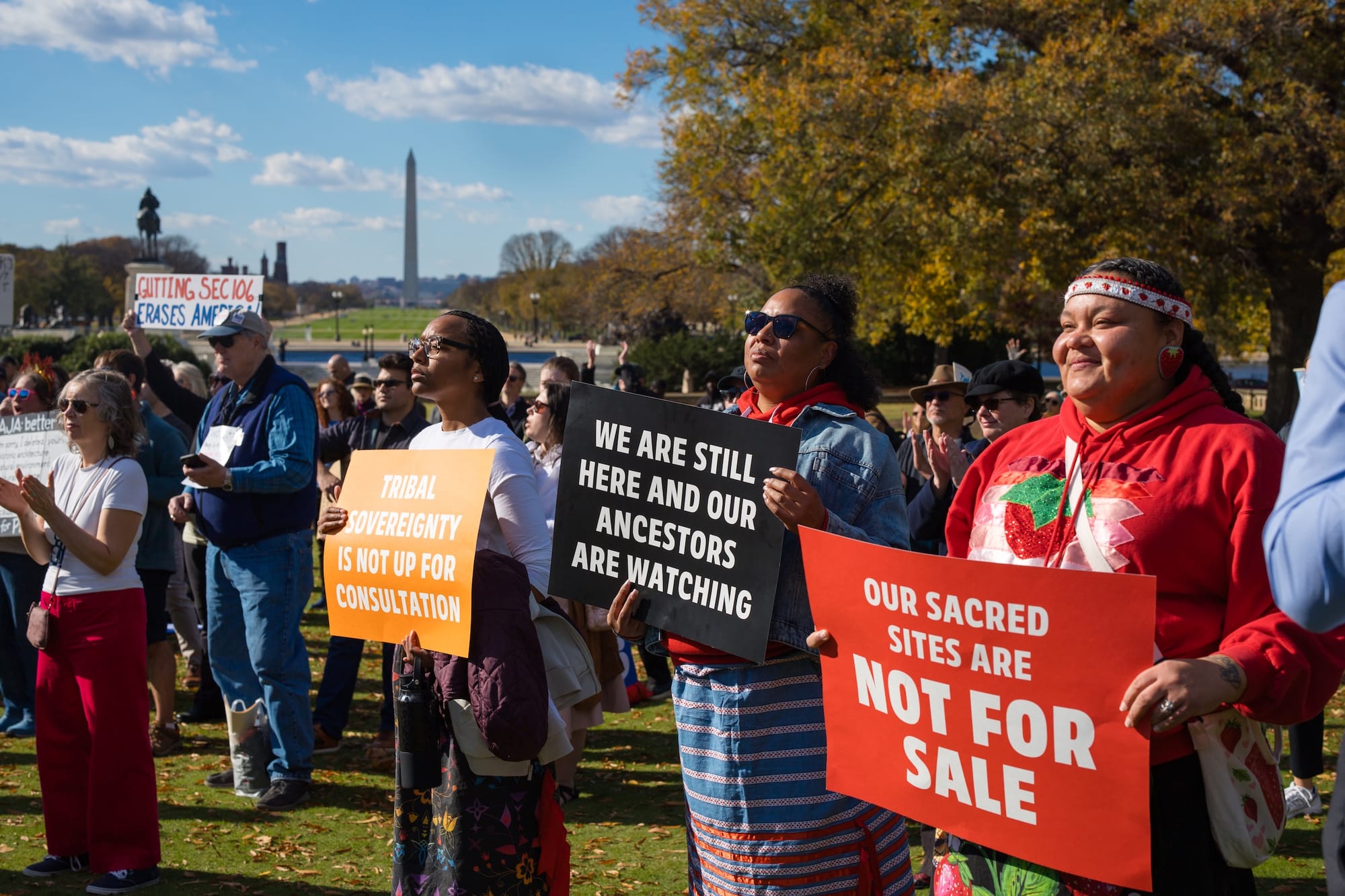
The Act survived Republican and Democratic administrations, recessions, and wars, but its health declined precipitously this year after a devastating bout of congressional malpractice. There’s still time to save it.
The National Historic Preservation Act (NHPA), the beloved American law that spent six decades giving communities a voice in federal decisions affecting the places that tell their stories, died shortly after its birthday following a brief but devastating bout of congressional malpractice. It was 60.
Born on October 15, 1966, with unanimous bipartisan support and signed into law by then-President Lyndon B. Johnson, NHPA was conceived in response to a national epidemic of federally sponsored demolition. Americans discovered that an astonishing 50% of the nation’s 12,000 historic buildings and landmarks documented in an inventory begun by the Civil Works Administration in 1933 had been demolished amid federally supported urban renewal and highway development — a breathtaking path of destruction dubbed “the death mask of America.”
NHPA’s central proposition was modest: Before the federal government or a developer damaged or destroyed an important part of America’s heritage, it simply needed to stop, look, and listen.