 ewsba.se
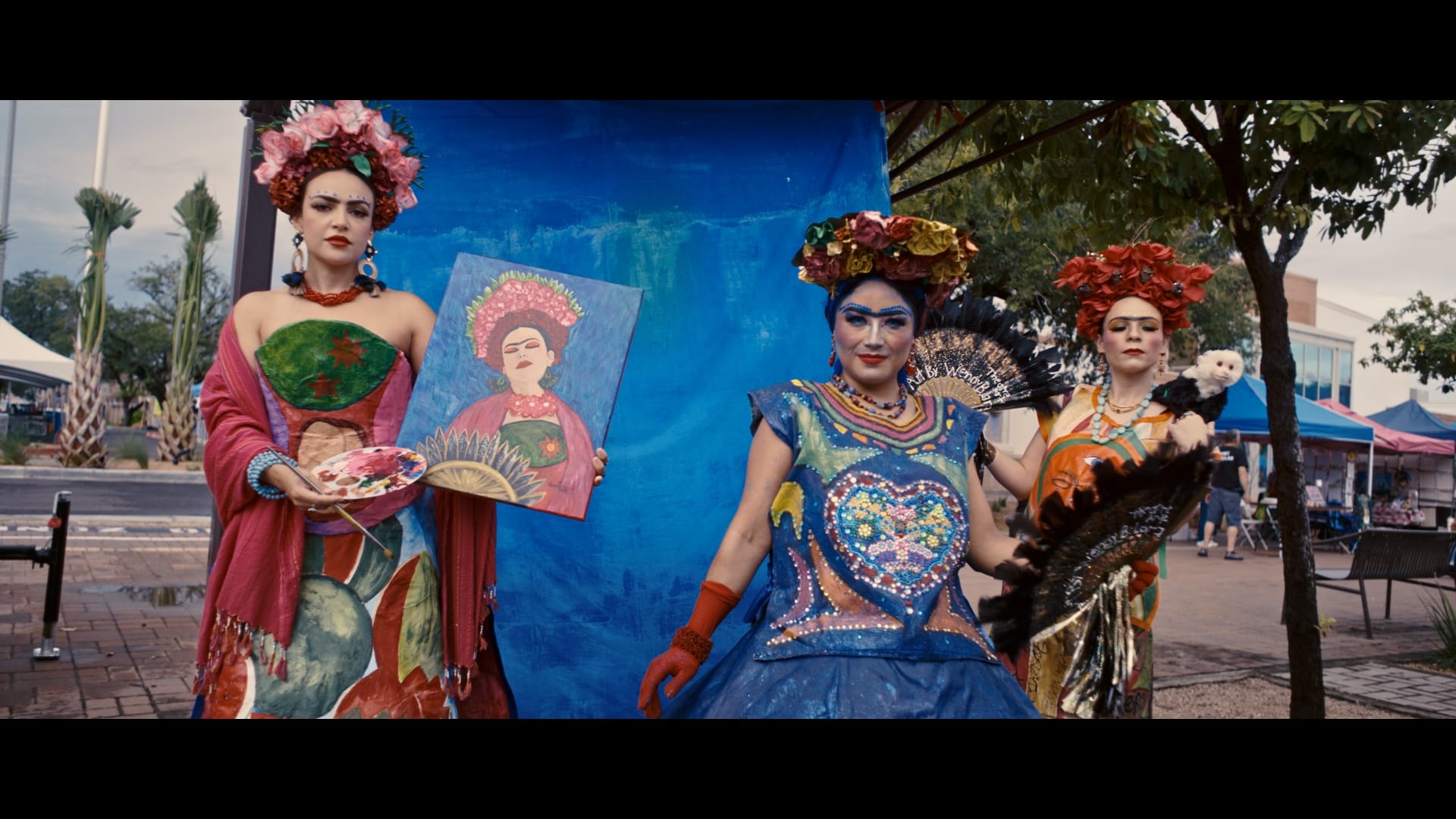
A new documentary poses this question across socio-cultural contexts, steering clear of whitewashing the artist’s personal history.
These days, Frida Kahlo isn’t free. She is the plastic cosmetic bag in an Ulta carousel. She is a throw pillow in a World Market bin. Her name and image might be the most commodified of the 20th century, so ubiquitous that she feels emptied of meaning. Or is she?
Relying primarily on the testimony of Mexican voices, Frida: The Girl That Just Doesn’t Go Away, a new documentary by Trisha Ziff, poses this question across a colorful spectrum of socio-cultural contexts, steering clear of whitewashing the artist’s personal history. “I learned about Communism from Frida’s bookshelf,” shares actress and activist Ofelia Medina, who visited Kahlo’s home on a sixth-grade field trip.
“Frida gave me strength, she gave me a life and a job,” explains Juana López Sánchez, an Indigenous artisan whose livelihood is selling hand-crafted Frida dolls in Mexico City.