 ewsba.se
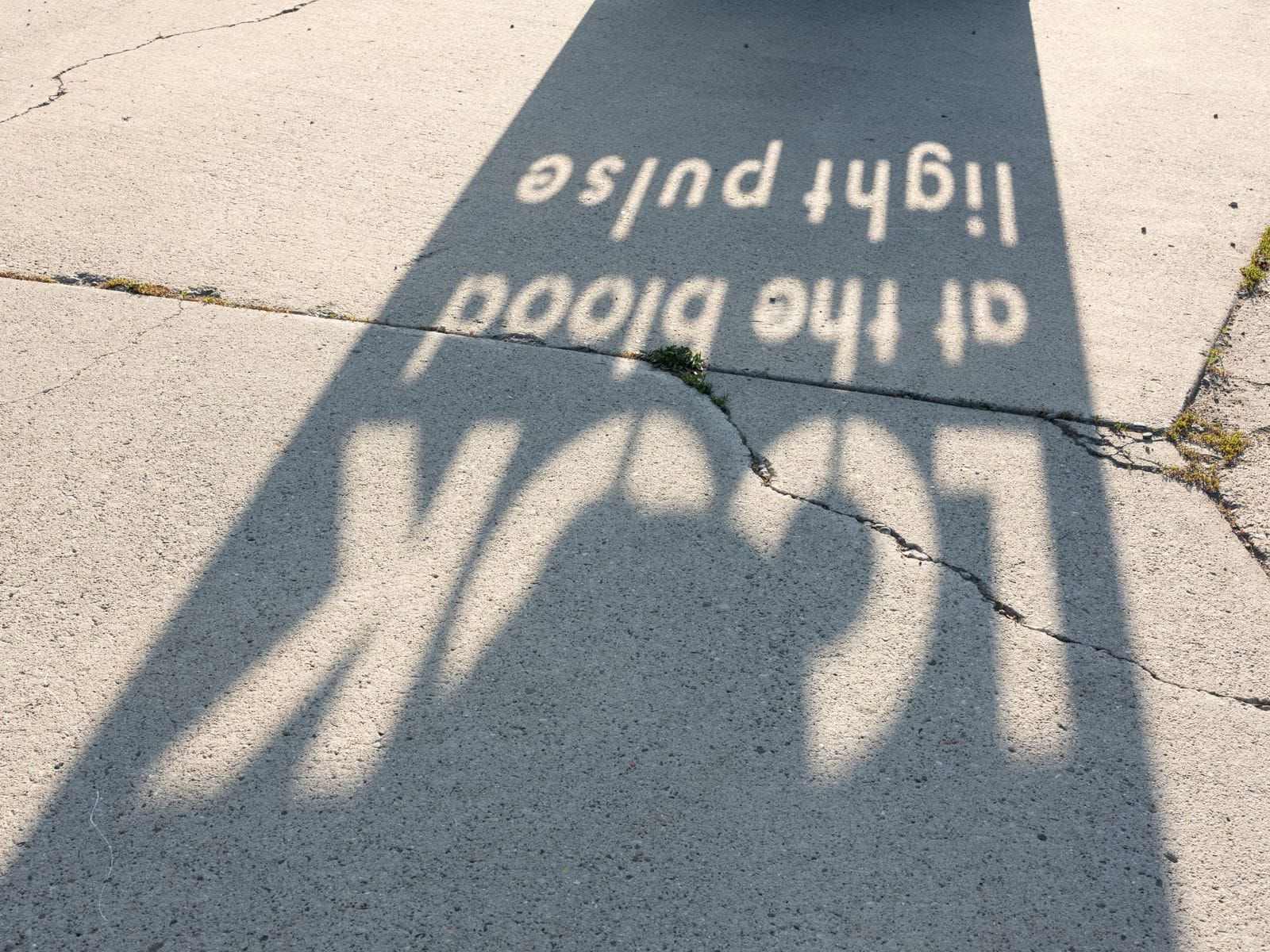
The Lakota poet reflects on the visual art in her new book, 10 art titles we’re reading this month, and a biography of Beverly Buchanan sets the record straight.
The days have been cut short here in North America, swiftly and cruelly. But if there’s anything a brutal 4:50pm sunset can teach us, maybe it’s that turning to a good art book can be just as nourishing as a trip down Museum Mile. For our last monthly list of the year, our editors and critics recommend new art books that make the season bright: a glimpse into Rosa Luxemburg’s secret herbarium, Salman Toor’s latest catalog, essays by Celia Paul, who Natalie Weis says “writes much like she paints.”
Layli Long Soldier is another figure who blurs the boundaries between text and art, uniting them in her new poetry collection We. Artist Dyani White Hawk, her longtime friend and colleague, interviewed her about the shape of her poems, her monumental quilts, and how Lakota philosophy guides her work. Among many insights about art and grief that stopped me in my tracks, a favorite is: “I think creating is equivalent to love. It can be received or it can be dismissed, but we give it because we must.”
More below, including a biography of polymath Beverly Buchanan and artist Martha Wilson on living through the Culture Wars at the center of Isaac Butler’s new book.
—Lakshmi Rivera Amin, associate editor, books
Reading Layli Long Soldier’s newest publication, We (Graywolf Press, 2026), is a visual experience. She leads us across the page through poetry and storytelling, but her work is far more than ideas, statements, and wordplay. Even when just text on the page, it is both literature and visual art. Through this bridge, it creates deep connections to our innermost experiences — at times validating our own humanity, or providing a window into another’s. Fittingly, the title has two meanings: the English “we” and the Lakota “wé,” meaning “blood,” a shared lineage and life source. | Dyani White Hawk
From art history to instruction, Quarto publishes visually-rich books for artists of all mediums and skill levels.
The publishing industry is already preparing for spring, but we’re still stuck on all the delights and challenges of this fall’s slate of art books. Editor-in-Chief Hakim Bishara recommends an exploration of Marxist revolutionary Rosa Luxemburg’s secret garden of pressed plants, an art form in its own right; critic Natalie Weis sinks into painter Celia Paul’s kinetic prose. Catalogs on Salman Toor, Roy Lichtenstein, and more to discover below. —Lakshmi Rivera Amin, associate editor, books
Instead of leaving the South behind, the polymath artist carried it into her writings, zines, paintings, and “shack sculptures” that echo the architecture of her childhood. | Maria Owen
As an artist who lived through the Reagan-era Culture Wars, I recommend Isaac Butler’s “The Perfect Moment” for the stories that parallel our current fight to defend creative expression. | Martha Wilson
Bold New Books in Art and Visual Culture from the MIT Press
From activist art and trans aesthetics to lowriders, global skateboarding culture, and Vilém Flusser’s prescient vision of the screen age.
Hakim Bishara, editor-in-chiefI'm halfway through Jennifer Kabat's excellent memoir The Eighth Moon: A Memoir of Belonging and Rebellion (2024), in which she expertly weaves her personal and family story into the history of the 19th-century tenant revolt in the New York Catskills known as the "Anti-Rent War." Kabat's punk spirit comes through her writing, and her depictions of art and what it does to the human soul are particularly satisfying.
Lakshmi Rivera Amin, associate editor, booksValeria Luiselli makes storytelling feel fresh again, so I turned to her to pull me out of my reading slump. I’ve read three of her other books but am just now getting to the one I probably should’ve started with: The Lost Children Archive (2019).
“Turner and the Slave Trade” recasts Romanticism’s relationship to nature and landscape painting as a vehicle for colonial propaganda. | Tao Leigh Goffe