 ewsba.se
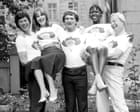
TV heads hope the revamped show – back after four decades – will win over parents seeking quality shows amid concerns about addictive online content
For the generations who grew up watching Humpty, Jemima and Big Ted, the mere mention of the BBC’s Play School evokes a pang of childhood nostalgia.
The show, which featured much-loved presenters such as Floella Benjamin and Johnny Ball, became synonymous with wholesome children’s television during its run of more than 20 years on air.
After a 38-year break, the BBC has announced plans to bring back the programme as it tries to win over parents desperately seeking quality children’s programming amid a torrent of online content.
The programme will be revamped for the digital age and will include content for the BBC’s new CBeebies Parenting YouTube channel. It is a sign that the corporation is doubling down on its drive to create more for the digital platform, where children’s content of varying quality has been booming for years.
The BBC said the companion YouTube content would provide “practical play ideas, expert guidance and resources for parents and carers”.
Its decision to revamp Play School comes amid continuing concerns over online children’s content, with complaints of low-quality and addictive slop. The issue is being examined by MPs on the culture, media and sport select committee.
However, Play School’s return also fits with the BBC’s search for its own standout brands that can hold their own in the increasingly global market for children’s TV.
The announcement coincides with the launch of the BBC’s “parenting promise”, touted as a commitment to “help every child learn through play”.
The original Play School, which first aired in 1964, was designed as a way of recreating the nursery experience at home. The new series will also be live-action.
Producers are being invited to pitch their vision for the show, with the BBC envisaging a traditional blend of songs, stories, movement, music, poetry and imaginative play.
Potential producers have been told the aim is to retain “the values that made it one of the BBC’s most enduring children’s programmes”.
Patricia Hidalgo, the director of BBC Children’s and Education, said: “Parents and carers place enormous trust in CBeebies and that is a responsibility we never take for granted. Behind every programme is a team of experts, programme makers and storytellers committed to creating content that helps children learn, grow and thrive.
“In a changing media landscape, we believe trusted, high-quality children’s content has never been more important.”
She added: “Play School has always embodied so much of what CBeebies stands for: creativity, curiosity, imagination and learning through play. Bringing it back for a new generation is a meaningful opportunity to build on that legacy, while continuing to support parents and carers through CBeebies Parenting and the wider commitment set out in our parenting promise.”
Hidalgo is one of the most senior people in the media world raising concerns about children’s content and the need to retain quality. Earlier this year, she told MPs there had been an alarming decline in shows for younger audiences among British broadcasters.
With broadcasting budgets under huge pressure, she said investment into the sector by the BBC, ITV, Channel 4 and Channel 5 fell by 40%, to below £80m, over the 14 years to 2024.
Over the same period, the amount of original content halved to less than 400 hours. Meanwhile, online, scrollable content aimed at children has proliferated.
Last year, Hidalgo told the Guardian the amount of American content children were consuming on YouTube risked weakening their connection to British culture and language.
Pre-production for the reinvented Play School show is expected to begin in February 2027, with the first episodes airing in the 2027-28 financial year.